
Custom orthotics, or shoe inserts, should be periodically replaced. Orthotics must fit properly to give you the best results. Protect your feet and ankles!
Custom orthotics, or shoe inserts, should be periodically replaced. Orthotics must fit properly to give you the best results. Protect your feet and ankles!

Gout is a form of inflammatory arthritis caused by a buildup of uric acid crystals within a joint. It most commonly affects the big toe, although other joints in the foot and ankle can be involved. One of the key signs of gout is sudden, intense pain that often begins at night. The joint may become red, swollen, warm, and extremely tender to the touch. Even the pressure of a bedsheet can feel unbearable. The skin over the area may appear tight or shiny, and walking can become very difficult. Gout attacks can last several days and may return if the underlying uric acid levels are not controlled. Risk factors include diet, dehydration, certain medications, and family history. A podiatrist can evaluate the painful joint, review medical history, and coordinate testing to confirm the diagnosis. Treatment focuses on reducing inflammation and preventing future attacks. If you have signs of gout, it is suggested that you make an appointment with a podiatrist for proper evaluation and care.
Gout is a form of inflammatory arthritis caused by a buildup of uric acid crystals within a joint.
Gout is a painful condition that can be treated. If you are seeking treatment, contact one of our podiatrists from Practice Name. Our doctors will treat your foot and ankle needs.
Gout is a form of arthritis that is characterized by sudden, severe attacks of pain, redness, and tenderness in the joints. The condition usually affects the joint at the base of the big toe. A gout attack can occur at any random time, such as the middle of the night while you are asleep.
Symptoms
Risk Factors
Prior to visiting your podiatrist to receive treatment for gout, there are a few things you should do beforehand. If you have gout you should write down your symptoms--including when they started and how often you experience them, important medical information you may have, and any questions you may have. Writing down these three things will help your podiatrist in assessing your specific situation so that he or she may provide the best route of treatment for you.
If you have any questions, please feel free to contact our offices located in Fair Lawn, NJ . We offer the newest diagnostic and treatment technologies for all your foot care needs.
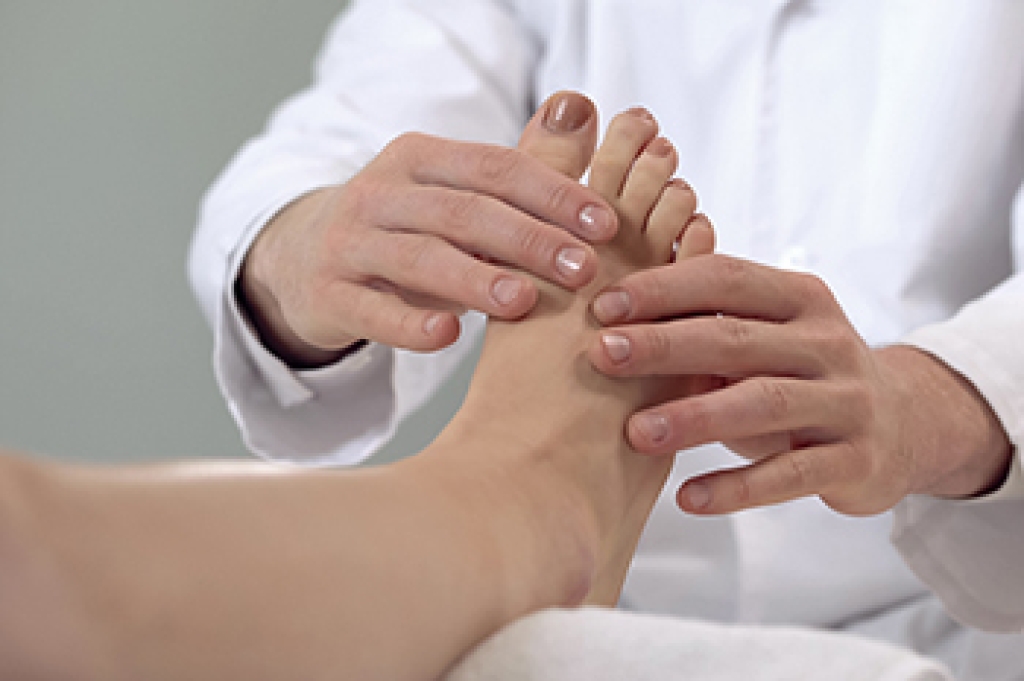
Gout is a form of inflammatory arthritis that commonly affects the foot, especially the big toe, and often appears without warning. It is caused by a buildup of uric acid in the blood, which can form sharp crystals in the joints due to diet, genetics, dehydration, or certain medical conditions. Symptoms include intense pain, swelling, redness, and warmth that may develop overnight. The joint may look shiny, swollen, and inflamed, and it often feels extremely tender to the touch, making walking difficult. A podiatrist can help by starting with a detailed history and physical exam, supported by imaging or lab testing when needed to confirm the diagnosis. Treatment may progress to medication management, footwear guidance, dietary education, and strategies to reduce flare-ups. Early care can limit joint damage and improve mobility. If you have gout, it is suggested that you schedule an appointment with a podiatrist for effective relief and management tips.
Gout is a form of arthritis that is characterized by sudden, severe attacks of pain, redness, and tenderness in the joints. The condition usually affects the joint at the base of the big toe. A gout attack can occur at any random time, such as the middle of the night while you are asleep.
Symptoms
Risk Factors
Prior to visiting your podiatrist to receive treatment for gout, there are a few things you should do beforehand. If you have gout you should write down your symptoms--including when they started and how often you experience them, important medical information you may have, and any questions you may have. Writing down these three things will help your podiatrist in assessing your specific situation so that he or she may provide the best route of treatment for you.
If you have any questions, please feel free to contact our offices located in Fair Lawn, NJ . We offer the newest diagnostic and treatment technologies for all your foot care needs.
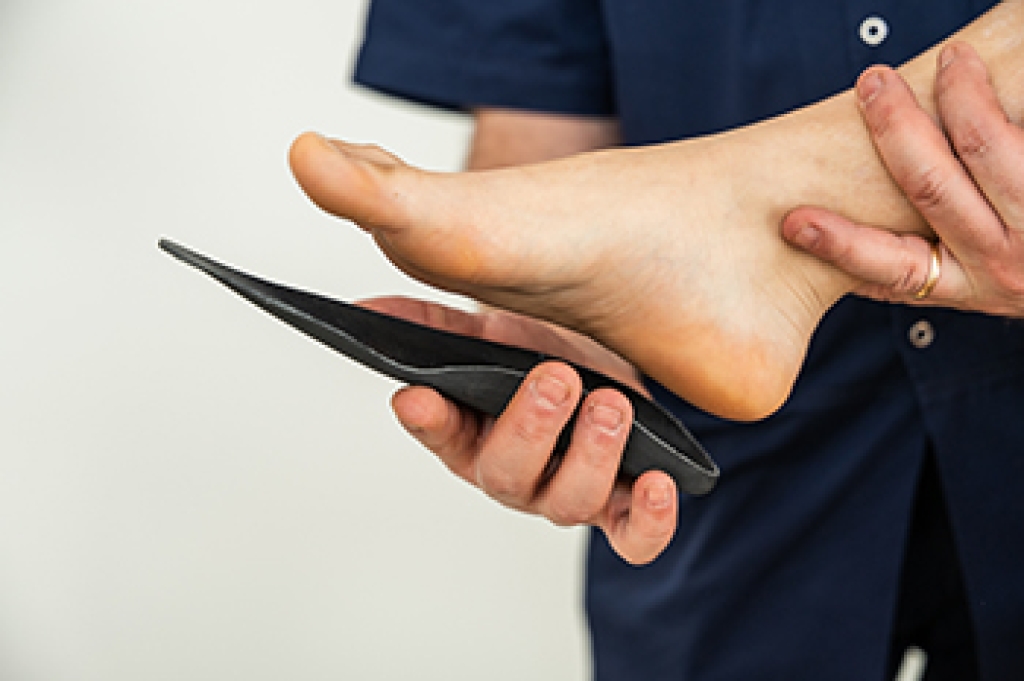
Foot orthotics are effective tools for managing a wide range of foot and ankle conditions by improving alignment and supporting proper movement. They help alleviate pressure on affected areas by redistributing weight more evenly across the foot, which can reduce pain and discomfort during daily activities. Orthotics also play an important role in preventing the progression of certain conditions by correcting abnormal mechanics and limiting excessive strain on joints and soft tissues. This support can enhance stability, improve balance, and promote more efficient walking patterns. A podiatrist can assess your foot structure, gait, and specific concerns to create custom orthotics that address your needs and provide ongoing care. If you have foot or ankle pain, it is suggested that you consult a podiatrist who can determine what type of orthotics are right for you.
Custom orthotics are often an effective solution for people experiencing heel pain, offering both comfort and correction for the underlying causes of discomfort. Heel pain commonly develops when the natural support of the foot becomes strained or imbalanced, leading to inflammation and irritation in the heel area. Conditions such as plantar fasciitis, heel spurs, or flat feet can all contribute to chronic heel pain that worsens with walking or standing. Custom orthotics are designed to fit the exact shape of your foot, providing the support and alignment necessary to reduce stress on the heel and surrounding tissues.
By redistributing pressure and improving overall foot mechanics, custom orthotics allow the heel to function more efficiently during movement. They cushion each step, absorb shock, and correct abnormal gait patterns that may be contributing to pain. Over time, this consistent support can ease inflammation, protect against re-injury, and enhance comfort during both daily and athletic activities.
Unlike prefabricated insoles, custom orthotics are created from a detailed evaluation that may include digital scans or molds of your feet. This ensures a precise and individualized fit that addresses your specific condition. They can be used in various types of footwear, from athletic shoes to dress styles, making them a versatile option for ongoing relief.
If heel pain is limiting your comfort or activity level, it is suggested that you call our office for more information or to schedule an appointment.
If you have any questions please contact our offices located in Fair Lawn, NJ .
Connect With Us
