
Aging Can Affect How You Walk

As people age, natural changes in muscle strength, joint flexibility, and balance can affect how they walk. Walking, also called gait, should be smooth, even, and steady. After about age 70, walking speed often slows as steps become shorter, often the result of weaker calf muscles that help move the body forward. Older adults may also keep both feet on the ground a little longer with each step to feel more stable. While some changes in gait are expected, others are not. Uneven steps, shuffling, dragging the toes, leaning forward, or trouble starting to walk may signal problems. These may involve joints, nerves, or certain areas of the brain that control movement and coordination. Arthritis, poor sensation in the feet, and balance disorders can all affect gait. A podiatrist can carefully assess how you stand and walk to help to identify abnormal patterns. Solutions include supportive footwear, custom orthotics, or other treatment to improve stability and comfort. If you experience problems walking normally, it is suggested that you make an appointment with a podiatrist for an exam, diagnosis, and treatment.

If you have any concerns about your feet, contact one of our podiatrists from Practice Name. Our doctors can provide the care you need to keep you pain-free and on your feet.

Biomechanics in Podiatry

Podiatric biomechanics is a particular sector of specialty podiatry with licensed practitioners who are trained to diagnose and treat conditions affecting the foot, ankle and lower leg. Biomechanics deals with the forces that act against the body, causing an interference with the biological structures. It focuses on the movement of the ankle, the foot and the forces that interact with them.

A History of Biomechanics

  • Biomechanics dates back to the BC era in Egypt where evidence of professional foot care has been recorded.
  • In 1974, biomechanics gained a higher profile from the studies of Merton Root, who claimed that by changing or controlling the forces between the ankle and the foot, corrections or conditions could be implemented to gain strength and coordination in the area.

Modern technological improvements are based on past theories and therapeutic processes that provide a better understanding of podiatric concepts for biomechanics. Computers can provide accurate information about the forces and patterns of the feet and lower legs.

Understanding biomechanics of the feet can help improve and eliminate pain, stopping further stress to the foot.

If you have any questions please feel free to contact our offices located in Fair Lawn, NJ . We offer the newest diagnostic and treatment technologies for all your foot and ankle needs.
Read more about Biomechanics in Podiatry

When Itching Between the Toes Will Not Go Away

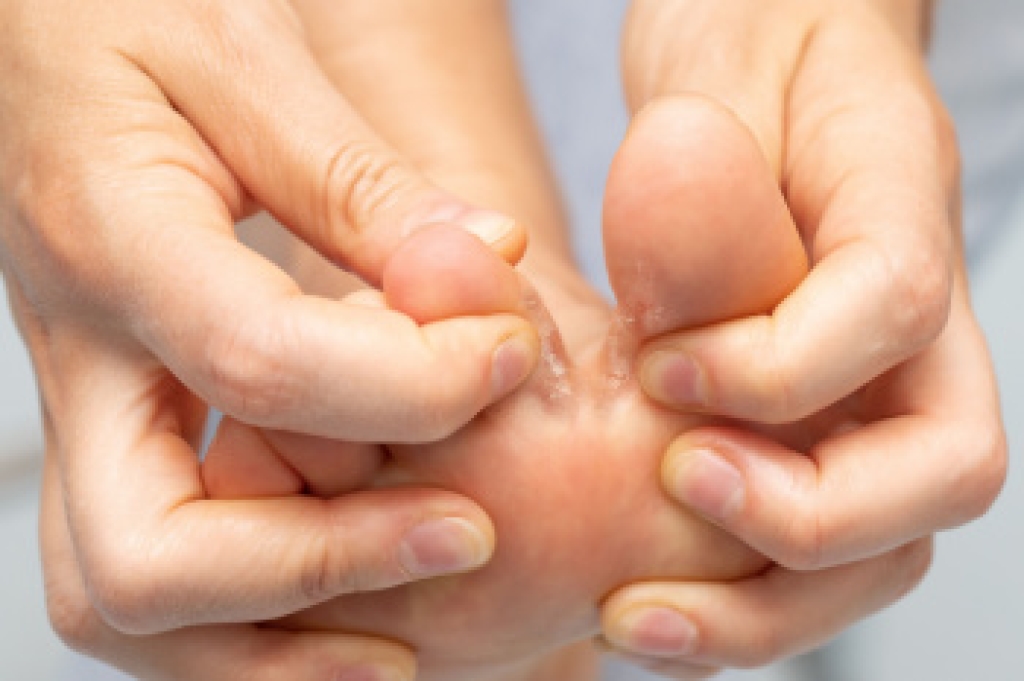
Athlete’s foot is a common fungal infection that affects the skin of the feet, especially between the toes. It thrives in warm, moist environments such as sweaty shoes and locker rooms. The skin may look red, scaly, or cracked, and some areas can appear white and soggy. Many patients describe persistent itching, burning, or stinging that worsens after removing shoes. In more advanced cases, small blisters or peeling skin may develop, and the infection can spread to the soles or even the toenails. A podiatrist begins with a careful examination of the skin and may take a small sample to confirm the diagnosis. Treatment often includes prescription antifungal medication, guidance on proper foot hygiene, and recommendations for breathable footwear. Early care helps prevent recurrence and secondary bacterial infection. If you have athlete’s foot that does not improve or continues to return, it is suggested that you make an appointment with a podiatrist for proper treatment.

Athlete’s foot is an inconvenient condition that can be easily reduced with the proper treatment. If you have any concerns about your feet and ankles, contact one of our podiatrists from Practice Name.  Our doctors will treat your foot and ankle needs.

Athlete’s Foot: The Sole Story

Athlete's foot, also known as tinea pedis, can be an extremely contagious foot infection. It is commonly contracted in public changing areas and bathrooms, dormitory style living quarters, around locker rooms and public swimming pools, or anywhere your feet often come into contact with other people.

Solutions to Combat Athlete’s Foot

  • Hydrate your feet by using lotion
  • Exfoliate
  • Buff off nails
  • Use of anti-fungal products
  • Examine your feet and visit your doctor if any suspicious blisters or cuts develop

Athlete’s foot can cause many irritating symptoms such as dry and flaking skin, itching, and redness. Some more severe symptoms can include bleeding and cracked skin, intense itching and burning, and even pain when walking. In the worst cases, Athlete’s foot can cause blistering as well. Speak to your podiatrist for a better understanding of the different causes of Athlete’s foot, as well as help in determining which treatment options are best for you.

If you have any questions please feel free to contact our offices located in Fair Lawn, NJ . We offer the newest diagnostic and treatment technologies for all your foot and ankle needs.

Read more about Athlete’s Foot

Explaining Ganglion Foot Cysts

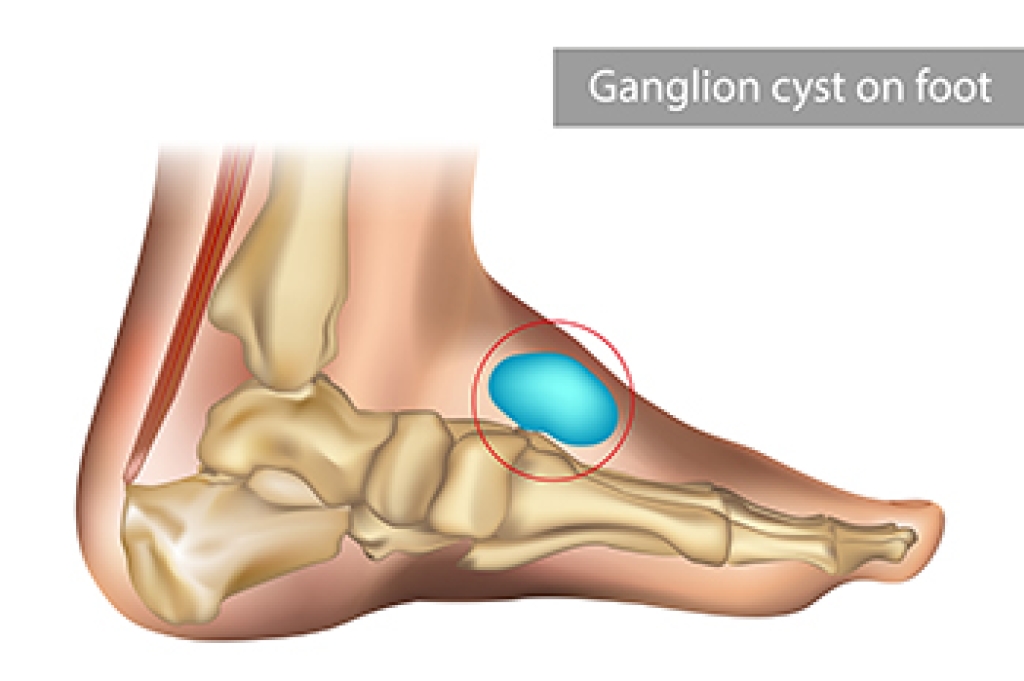
A ganglion cyst on the foot is a small, soft, fluid-filled sac that usually develops near a joint or along a tendon sheath, most often on the top of the foot. The lump may feel movable beneath the skin and can change in size over time. Many ganglion cysts cause no discomfort, while others produce aching, burning, or pressure pain when a shoe presses against the area or during activity. Although generally harmless, the mass may interfere with walking or shoe comfort. The exact cause is uncertain, but prior injury, repetitive stress, and joint irritation are commonly associated factors. A podiatrist can evaluate the lump, confirm the diagnosis, and rule out other conditions with imaging when necessary. Treatment options include protective padding, pressure relief, fluid aspiration, or surgical removal. If you have an unexplained lump on the top of your foot, it is suggested that you make an appointment with a podiatrist for an exam, diagnosis, and treatment.

Foot Pain

Foot pain can be extremely painful and debilitating. If you have a foot pain, consult with one of our podiatrists from Practice Name. Our doctors will assess your condition and provide you with quality foot and ankle treatment.

Causes

Foot pain is a very broad condition that could be caused by one or more ailments. The most common include:

  • Bunions
  • Hammertoes
  • Plantar Fasciitis
  • Bone Spurs
  • Corns
  • Tarsal Tunnel Syndrome
  • Ingrown Toenails
  • Arthritis (such as Gout, Rheumatoid, and Osteoarthritis)
  • Flat Feet
  • Injury (from stress fractures, broken toe, foot, ankle, Achilles tendon ruptures, and sprains)
  • And more

Diagnosis

To figure out the cause of foot pain, podiatrists utilize several different methods. This can range from simple visual inspections and sensation tests to X-rays and MRI scans. Prior medical history, family medical history, and any recent physical traumatic events will all be taken into consideration for a proper diagnosis.

Treatment

Treatment depends upon the cause of the foot pain. Whether it is resting, staying off the foot, or having surgery; podiatrists have a number of treatment options available for foot pain.

If you have any questions, please feel free to contact our offices located in Fair Lawn, NJ . We offer the newest diagnostic and treatment technologies for all your foot care needs.

Read more about Foot Pain

Connect With Us