Facts About Pediatric Gout

Gout is a form of arthritis caused by a buildup of uric acid crystals in the joints, leading to sudden inflammation and intense discomfort. Although it is more common in adults, it can affect children, especially those with certain health conditions. Pediatric gout can develop due to obesity, Down syndrome, kidney disease, or metabolic issues that affect how the body processes uric acid. Symptoms include severe pain, swelling, redness, and warmth in the big toe. A podiatrist can evaluate the feet and ankles, identify flare triggers, provide guidance on supportive care, and create a plan to reduce discomfort and prevent future episodes. If your child has pain in the big toe or other symptoms of gout, it is suggested that you schedule an appointment with a podiatrist to ensure your child receives expert foot and ankle care.

Gout is a foot condition that requires certain treatment and care. If you are seeking treatment, contact one of our podiatrists from Practice Name. Our doctors will treat your foot and ankle needs.

What Is Gout?

Gout is a type of arthritis caused by a buildup of uric acid in the bloodstream. It often develops in the foot, especially the big toe area, although it can manifest in other parts of the body as well. Gout can make walking and standing very painful and is especially common in diabetics and the obese.

People typically get gout because of a poor diet. Genetic predisposition is also a factor. The children of parents who have had gout frequently have a chance of developing it themselves.

Gout can easily be identified by redness and inflammation of the big toe and the surrounding areas of the foot. Other symptoms include extreme fatigue, joint pain, and running high fevers. Sometimes corticosteroid drugs can be prescribed to treat gout, but the best way to combat this disease is to get more exercise and eat a better diet.

If you have any questions, please feel free to contact our offices located in Fair Lawn, NJ . We offer the newest diagnostic and treatment technologies for all your foot care needs.

Read more about Everything You Need to Know About Gout

Stages of Diabetic Foot Ulcers

Diabetic foot ulcers are open sores or wounds that develop on the feet due to poor circulation and nerve damage caused by diabetes. They progress through several stages, beginning with normal healthy skin, followed by a high-risk stage where the skin becomes vulnerable. The ulcerated stage involves a visible sore, while the infection stage occurs when bacteria enter the wound. The necrotic stage is marked by dead tissue and severe damage. A podiatrist can help by cleaning and dressing the wound, improving circulation, prescribing medication, and creating a care plan to prevent further complications. If you have diabetes and notice any foot changes or sores, it is strongly suggested that you promptly schedule an appointment with a podiatrist who can help you to manage this serious condition.

Wound care is an important part in dealing with diabetes. If you have diabetes and a foot wound or would like more information about wound care for diabetics, consult with one of our podiatrists from Practice Name. Our doctors will assess your condition and provide you with quality foot and ankle treatment.

What Is Wound Care?

Wound care is the practice of taking proper care of a wound. This can range from the smallest to the largest of wounds. While everyone can benefit from proper wound care, it is much more important for diabetics. Diabetics often suffer from poor blood circulation which causes wounds to heal much slower than they would in a non-diabetic. 

What Is the Importance of Wound Care?

While it may not seem apparent with small ulcers on the foot, for diabetics, any size ulcer can become infected. Diabetics often also suffer from neuropathy, or nerve loss. This means they might not even feel when they have an ulcer on their foot. If the wound becomes severely infected, amputation may be necessary. Therefore, it is of the upmost importance to properly care for any and all foot wounds.

How to Care for Wounds

The best way to care for foot wounds is to prevent them. For diabetics, this means daily inspections of the feet for any signs of abnormalities or ulcers. It is also recommended to see a podiatrist several times a year for a foot inspection. If you do have an ulcer, run the wound under water to clear dirt from the wound; then apply antibiotic ointment to the wound and cover with a bandage. Bandages should be changed daily and keeping pressure off the wound is smart. It is advised to see a podiatrist, who can keep an eye on it.

If you have any questions please contact our offices located in Fair Lawn, NJ . We offer the newest diagnostic and treatment technologies for all your foot and ankle needs.

Read more about Wound Care

Effective Exercises for Flat Feet

Exercises for flat feet can strengthen the muscles that support the arch and improve flexibility. Heel stretches help loosen tight calf muscles by placing your hands on a wall, stepping one foot back, and gently pressing the heel down. Rolling a tennis or golf ball under the arch massages the foot and reduces tension. Arch lifts involve keeping the toes and heel on the ground while raising the arch upward. Additionally, calf raises strengthen lower leg muscles by slowly lifting the heels off the floor and lowering them back down. A podiatrist can assess your foot mechanics, demonstrate proper techniques, and prescribe custom orthotics for added support. If you have any level of pain from flat feet, it is suggested that you consult a podiatrist who can offer effective relief tips.

Exercising your feet regularly with the proper foot wear is a great way to prevent injuries and build strength. If you have any concerns about your feet, contact one of our podiatrists from Practice Name. Our doctors can provide the care you need to keep you pain-free and on your feet.

Exercise for Your Feet

Exercise for your feet can help you gain strength, mobility and flexibility in your feet. They say that strengthening your feet can be just as rewarding as strengthening another part of the body. Your feet are very important, and we often forget about them in our daily tasks. But it is because of our feet that are we able to get going and do what we need to. For those of us fortunate enough to not have any foot problems, it is an important gesture to take care of them to ensure good health in the long run.

Some foot health exercises can include ankle pumps, tip-toeing, toe rises, lifting off the floor doing reps and sets, and flexing the toes. It is best to speak with Our doctors to determine an appropriate regimen for your needs. Everyone’s needs and bodies are different, and the activities required to maintain strength in the feet vary from individual to individual. 

Once you get into a routine of doing regular exercise, you may notice a difference in your feet and how strong they may become.

If you have any questions, please feel free to contact our offices located in Fair Lawn, NJ . We offer the newest diagnostic and treatment technologies for all your foot care needs.
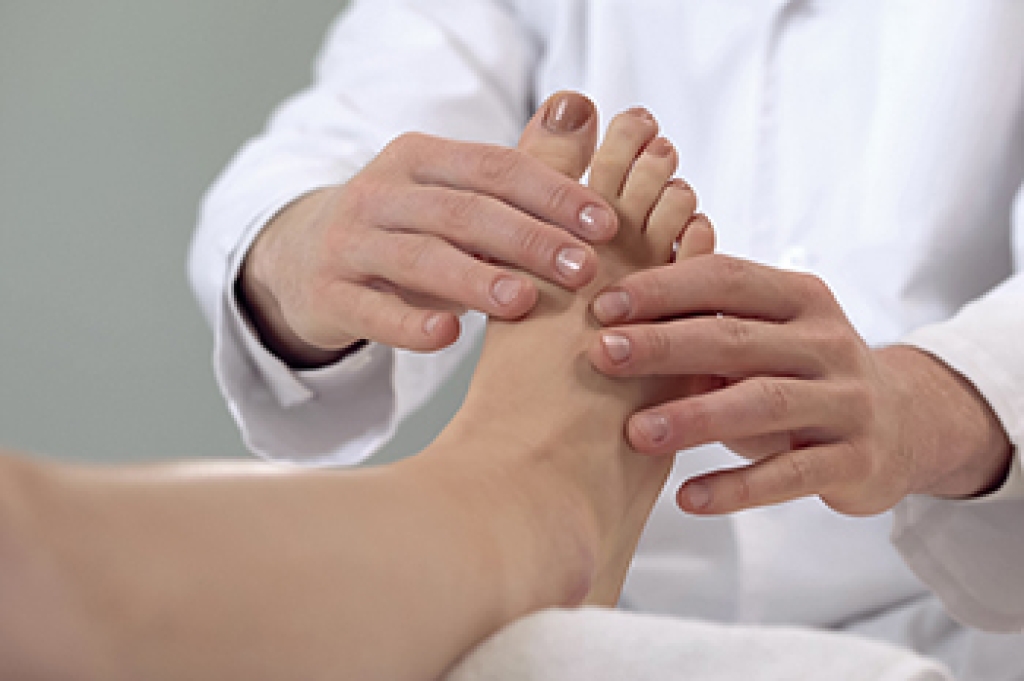
Read more about Exercise for Your Feet

Potential Consequences of Wearing High Heels

While high heels are often uncomfortable, they can also cause harmful foot problems for frequent wearers. To start, high heels can cause cosmetic issues, such as bunions or hammertoes. High heels can lead to tendonitis by straining the ankle and tendons as well. High heels also lead to overuse of the natural cushioning on the foot, causing it to diminish over time. Some ways to mitigate the effects of high heels include massaging and stretching the legs after use, alternating heel heights, and wearing heels in moderation. A podiatrist will be able to help diagnose and treat any issues that a person has endured due to high heels. For further information about preventing injuries while wearing high heels, please consult with a podiatrist.

For more information about the importance of teeth cleaning and exams, contact . Our offers expert services in these areas to ensure your oral health is well taken care of.
Dental hygiene is an integral aspect of overall health, with teeth cleaning and exams forming the cornerstone of preventive care. Dentists play a crucial role in ensuring optimal oral health through these practices. Teeth cleaning, also known as prophylaxis, involves the removal of plaque, tartar, and stains from the teeth. This process helps prevent gum disease, cavities, and other oral health issues. Regular exams complement cleaning by allowing dentists to assess oral health, identify any issues early on, and provide necessary treatment.

Dentists possess the expertise to conduct thorough examinations, including visual inspections, X-rays, and other diagnostic procedures. These exams enable them to detect cavities, gum disease, oral cancer, and other abnormalities that may not be apparent to the patient. Early detection is key in preventing the progression of dental problems and avoiding more extensive treatments.

Regular dental visits are essential for maintaining oral health and promptly addressing concerns. Dentists recommend biannual check-ups and cleanings for most individuals, although frequency may vary based on individual needs and risk factors. These routine appointments allow dentists to monitor oral health over time, track any changes or developments, and intervene as needed to preserve dental function and aesthetics.

Why Are Teeth Cleaning and Exams Needed?

Regular teeth cleanings and exams are necessary for maintaining oral health and preventing dental issues from escalating.

When is Teeth Cleaning and an Exam Necessary?

Teeth cleanings and exams are necessary for everyone. They are typically recommended every six months. However, frequency may vary based on individual oral health needs, medical history, and risk factors for dental issues.

If you have any questions, please feel free to contact our offices located in Fair Lawn, NJ


Read more about Teeth Cleaning and Exams

Connect With Us